Septic Tank Pumping in Woodstock, GA
Not every property in our service area sits on city water and sewer. The more exurban stretches toward Cherokee County's unincorporated edges, and parts of Hickory Flat and Milton specifically, still run on well and septic, and a septic tank has real, scheduled maintenance a city-sewer home never has to think about.
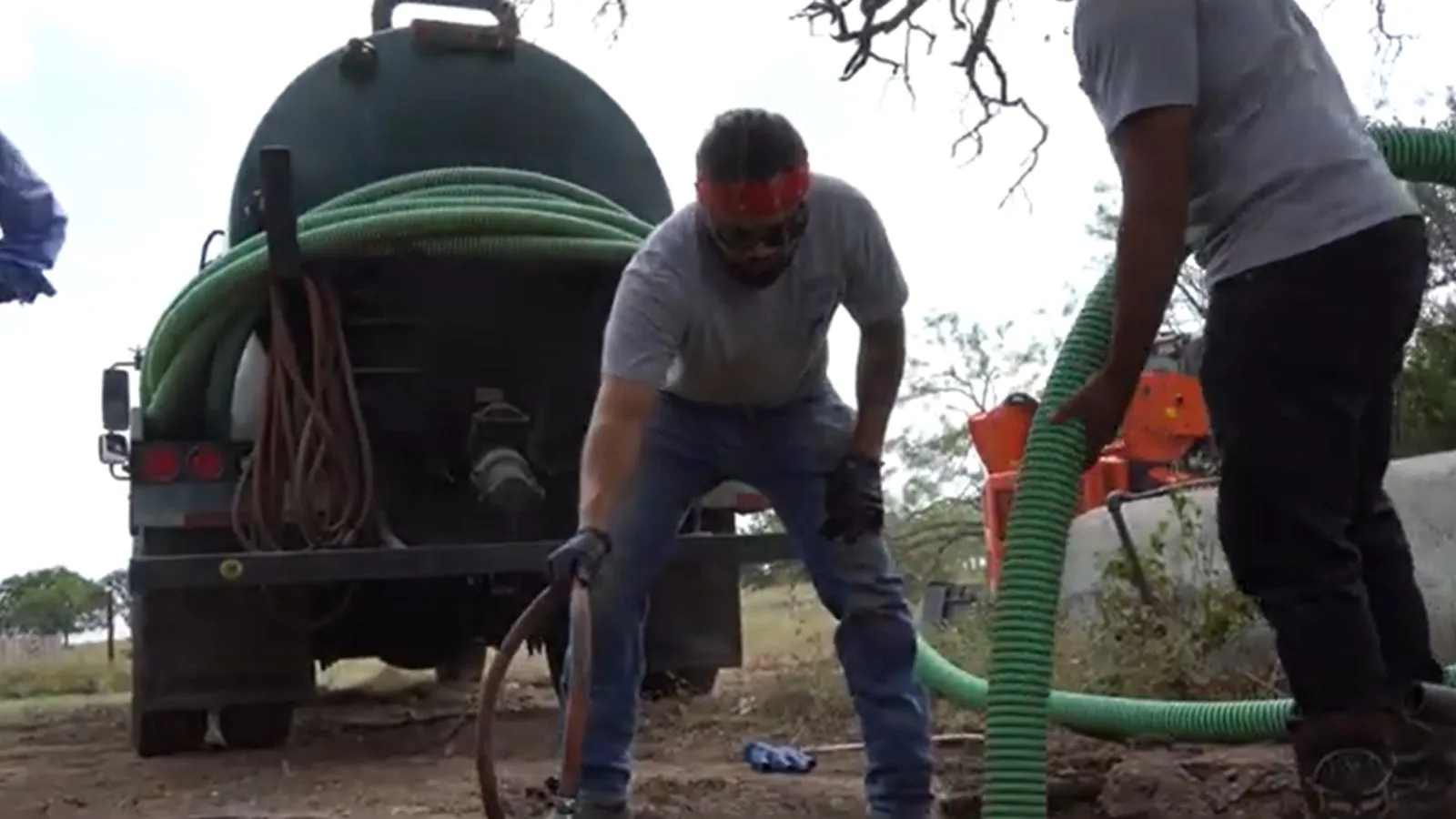
A typical residential septic tank needs pumping every 3 to 5 years depending on household size and tank capacity. Skipping that maintenance is how a manageable, predictable expense turns into a failed drain field, a genuinely larger and more expensive repair.
Georgia regulates septic systems through county boards of health operating under Georgia Department of Public Health rules, covering tank capacity, drain field placement, and inspection requirements, a different regulatory framework than the plumbing code governing a standard city-sewer connection.
Warning signs a tank needs pumping sooner than scheduled include slow drains throughout the house (not just one fixture), gurgling sounds, a sewage odor near the tank or drain field, or standing water in the yard above the drain field. Any of these is worth addressing before it becomes a backup into the house.
We pump the tank and provide a basic visual assessment of tank and lid condition as part of the service, and we'll flag anything that looks like an early sign of a bigger issue, a crack, a failing baffle, rather than just emptying the tank and moving on.
What goes down a septic-connected drain matters more than it does with city sewer. Grease, harsh chemical drain cleaners, and non-biodegradable items can disrupt the bacterial activity a septic system relies on to break down waste, in a way city sewer treatment doesn't have to worry about.
New construction anywhere in unincorporated Cherokee County requires a septic system permit and a site evaluation by the county health department before installation, and selling a septic-connected home in Georgia generally requires disclosure of the system's condition, sometimes with a recent inspection.
Never attempt to open or inspect a septic tank yourself. The gases produced inside a septic tank can be genuinely hazardous, and tank lids are heavy for a real reason. Leave that specifically to a professional with the right equipment.
We coordinate with the county health department's records when needed for a property transaction, since Cherokee and Fulton County both keep septic permit and inspection history that can be relevant during a home sale.
A property with a garbage disposal on a septic system should generally use it more sparingly than a city-sewer home would, since the extra solid waste adds to what the tank has to process between pumpings.
A septic-connected home's drain approach differs from a city-sewer home's, which is why we adjust our drain cleaning methods once a septic system is confirmed. A failing drain field sometimes first shows up as a general plumbing complaint before the septic connection is identified as the real cause.
This service is most relevant in the more exurban parts of our coverage area, particularly around Hickory Flat and Milton.
Hickory Flat and Milton are the two areas in our service map where septic systems are most common, alongside scattered rural properties elsewhere in Cherokee County.
What To Check Before We Arrive
Never open or inspect the tank yourself
Septic tank gases can be genuinely hazardous, and tank lids are heavy for a real reason. This is specifically a job for a professional with the right equipment.
Keep the tank access area clear
Don't build over, pave, or plant deep-rooted landscaping directly on top of a tank or drain field; it needs to stay accessible for future service.
What It Typically Costs
| Service | Typical Range |
|---|---|
| Standard Tank Pumping | $300 to $550 |
| Tank Inspection Only | $150 to $250 |
| Drain Field Assessment | $250 to $500 |
We give a written quote before non-emergency work begins. Emergency dispatch carries a standard trip charge disclosed on the call. Want a real number for your situation? Call (770) 214-4545.
Frequently Asked Questions
How often does a septic tank need pumping?
Every 3 to 5 years is standard for most residential systems, depending on household size and tank capacity. A larger household or a smaller tank may need more frequent service.
What are the warning signs my septic tank needs pumping?
Slow drains throughout the house, gurgling sounds, a sewage odor near the tank or drain field, or standing water above the drain field are all signs it's time.
Is septic tank service regulated in Georgia?
Yes, through county boards of health operating under Georgia Department of Public Health rules, covering tank capacity, drain field placement, and inspection requirements.
24/7 Emergency Dispatch In Woodstock, GA
Whatever the entry point, a burst pipe, no hot water, or a backed-up drain, our dispatch line runs around the clock, every day of the year.